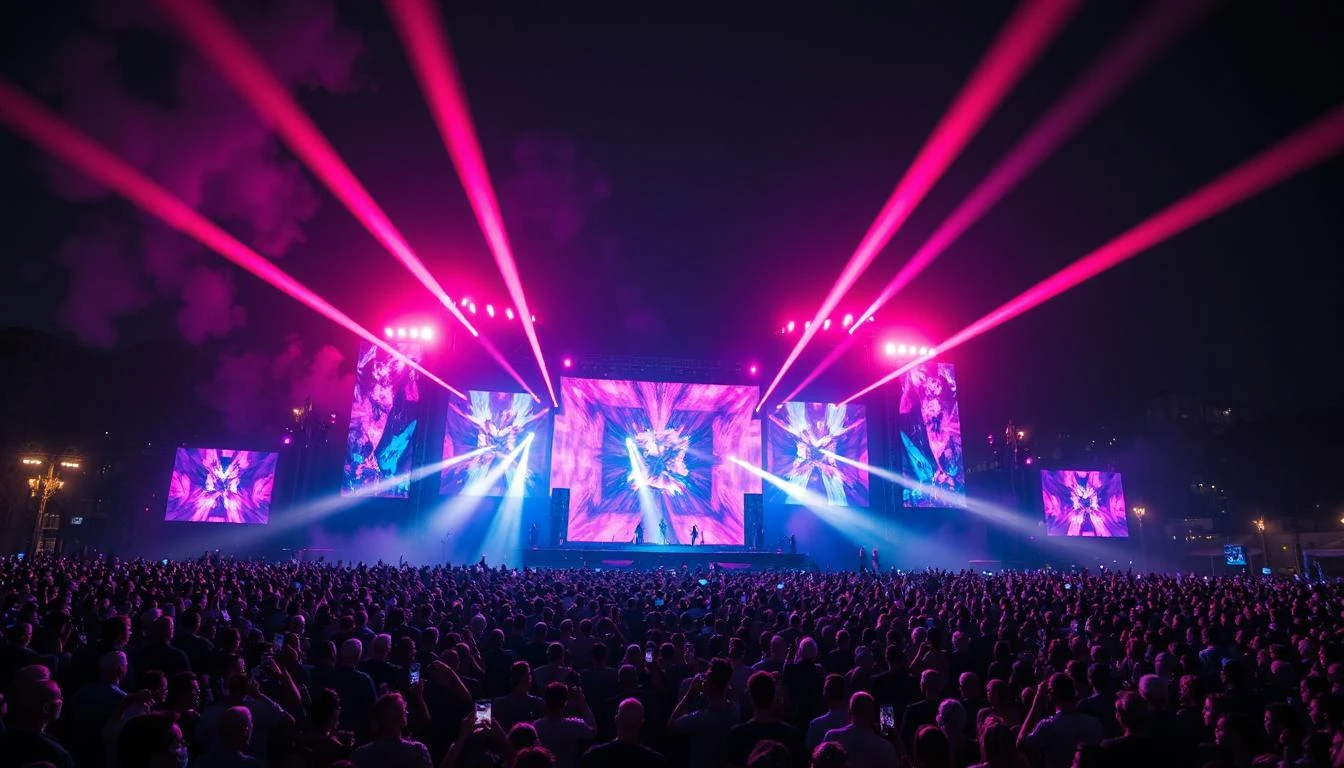
World Music Global Sound Trends 2026
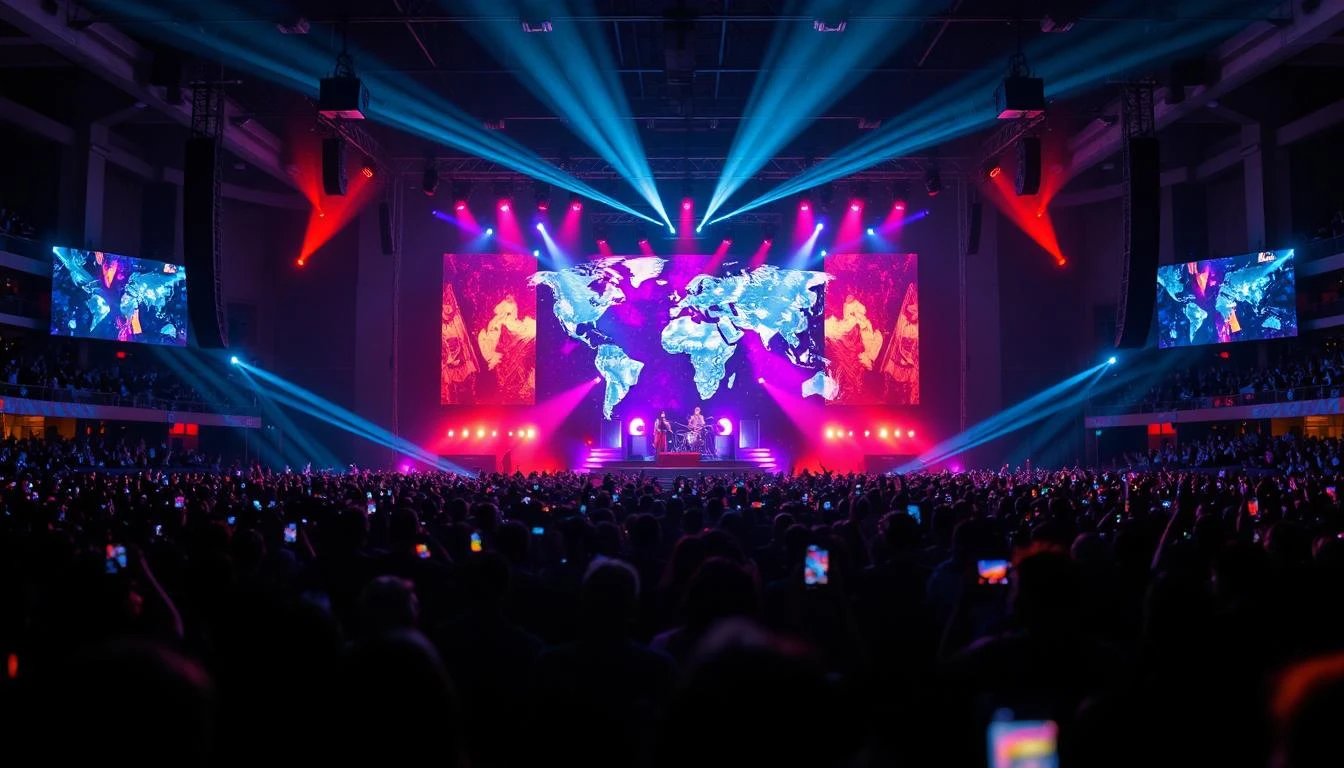
Music in 2026 is no longer just an art form, it is a constantly shifting digital ecosystem where culture, technology, and commerce collide. Listeners today don’t just consume songs; they participate in a global exchange of sound, identity, and algorithm-driven discovery that reshapes what “popular music” even means.
The music landscape is becoming more fluid than ever before. Genres are dissolving, collaborations are crossing continents instantly, and listeners are shaping the charts through micro-interactions. As cultural barriers fade, a new sonic identity is emerging, one that is global, adaptive, and deeply personalized.
Emerging Global Sound Fusion Trends 2026
The modern music scene is experiencing a powerful wave of hybrid creativity, where artists no longer stay confined to regional or genre-based limitations. This is where the real transformation of global sound begins.
The rise of world music streaming trends is reshaping how audiences discover music, with global listeners actively engaging in multicultural sound exploration. Streaming platforms now act as cultural bridges rather than simple distribution channels.
Cross cultural music collaboration
Artists from Africa, Latin America, Asia, and Europe are merging styles in unprecedented ways. Afrobeat blends with EDM, K-pop integrates Latin rhythms, and Middle Eastern tonalities are entering mainstream pop production. This cross-pollination is redefining what global hits sound like.
AI generated sound experimentation
Artificial intelligence is now part of the creative studio workflow. It assists in composing melodies, generating beats, and even predicting audience reactions. According to Dr. Emily Carter, a music technology researcher, “AI is no longer replacing creativity, it is expanding the boundaries of what human creativity can achieve.”
Regional genres going global
Local genres are no longer confined to geography. Sounds like Amapiano, Baile Funk, and Punjabi fusion are entering global charts, driven by viral platforms and algorithmic exposure. This reflects a shift where authenticity becomes the new global currency.
Streaming Platforms Shaping Music Discovery
Music discovery has been completely redefined by streaming ecosystems that prioritize personalization, engagement, and retention over traditional chart systems.
The growth of world music streaming trends has turned listeners into active participants in shaping global popularity, where every skip, replay, and share influences algorithmic visibility.
Algorithm driven playlists impact
Streaming algorithms now act as invisible curators. They analyze user behavior, emotional response patterns, and listening history to create hyper-personalized playlists that often determine which songs go viral.
Short form video music dominance
Short-form content platforms have become powerful music discovery engines. A single viral clip can launch a track into global recognition within hours, changing how success is measured in the industry.
Independent artist breakthrough channels
Independent musicians now bypass traditional label structures using digital distribution platforms, fan-driven funding models, and direct engagement tools. The industry is witnessing a democratization of musical success.
Technology Driving Music Production Innovation
Technology is no longer just supporting music, it is actively shaping how it is created, performed, and experienced across global markets.
Virtual instruments and digital studios
Modern production environments rely heavily on cloud-based studios and digital instruments that replicate real-world soundscapes with extreme precision, allowing artists to produce high-quality music from anywhere.
Real time remote collaboration tools
Musicians can now collaborate across continents in real time, sharing sessions, edits, and live feedback instantly. This has eliminated geographical barriers in music production.
Immersive audio and spatial sound growth
Spatial audio technologies are redefining listening experiences. Music is no longer flat, it surrounds the listener, creating immersive sound environments that mimic real-world acoustics.
According to Brian Eno, pioneer of ambient music, “We are entering an era where sound is no longer something you listen to, it is something you inhabit.”
Explore How Global Sound Trends Will Shape the Future of Music
The evolution of global music is accelerating toward a fully integrated digital ecosystem where culture, technology, and audience behavior merge seamlessly. The idea of genre is fading, replaced by fluid sound identities that adapt to listener context and emotional states.
As the global sound evolution 2026 continues, music will increasingly become interactive, responding to user behavior, environment, and even biometric feedback. This shift signals a future where listening is no longer passive but experiential and adaptive.
The key insight is simple yet profound: the future of music is not being dictated by industries alone but co-created by global audiences interacting through digital ecosystems.